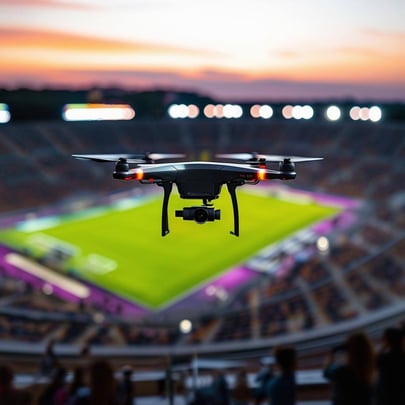
From gripping sports fixtures to unforgettable live performances, few venues capture collective excitement quite like the modern stadium.
Designed to accommodate vast audiences and stage ambitious productions, these architectural landmarks have become enduring symbols of shared experience, celebration, and spectacle.
But they also attract an increasingly modern challenge: drones.
Reckless fun or dangerous disruption, drones are always an unwanted intrusion at stadiums. Once a novelty for hobbyists, today drones have become a powerful tool and a formidable threat.
In 2025, approximately 5.4 million drones were shipped worldwide, and by 2030, this figure is projected to reach 10.2 million. They’re small, fast, capable of flying into critical airspace undetected by traditional cameras and elusive to the naked eye.
The growing drone threat raises serious questions about the measures stadiums must take to strengthen security against drones, ensuring these venues remain places of celebration, not risk.
The rise of the drone
Drones offer unprecedented accessibility. Compact, affordable, and easy to operate, they are no longer confined to specialised use.
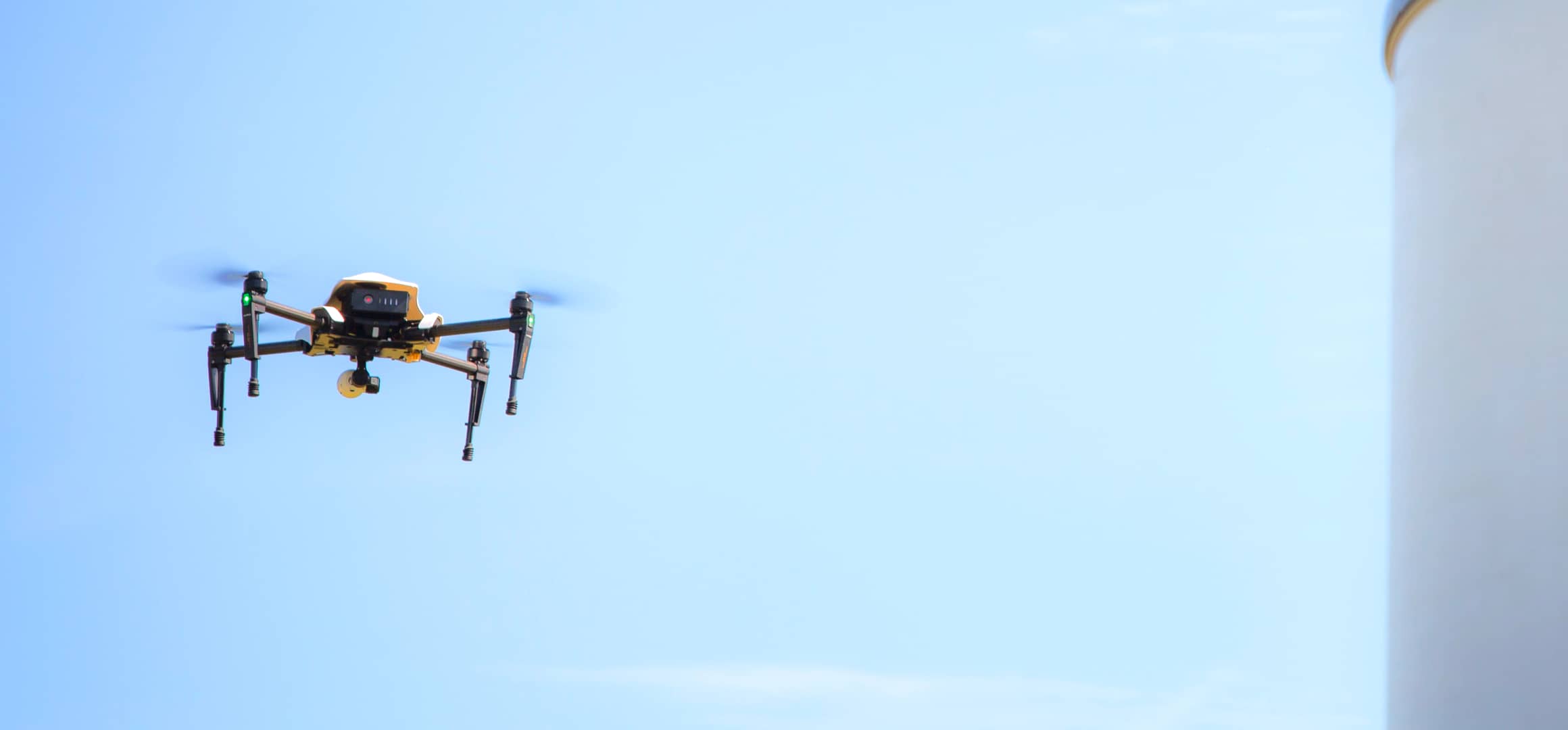
Unfortunately, the democratisation of drone technology comes with risks:
- Safety hazards: A drone malfunction over a packed stadium could lead to injuries.
- Security concerns: Drones can bypass physical barriers, posing a threat to players, performers, and fans.
- Privacy invasion: Unauthorised drones can capture sensitive images or live-stream events, infringing on copyrights or personal privacy.
- Political demonstration: Drones have been used increasingly to display disruptive messages of propaganda, particularly at events heavily covered by the media.
- Malicious use: In the wrong hands, drones could deliver harmful payloads or disrupt events intentionally.
Why stadiums are a prime target
Stadiums offer large, open designs that make them hard to shield from above, and their high-profile nature ensures any disruption attracts maximum attention. Whether it’s unauthorised recordings or malicious activity, the stakes are high when people are gathered in the hundreds of thousands.
It’s something we all saw in 2023 at the UEFA Champions League final in Istanbul, Turkey. During the match between Manchester City and Inter Milan, a drone entered the airspace above the Atatürk Olympic Stadium, disrupting the event. Security officials swiftly neutralised the UAS using counter-drone technology.
Then, in 2024, the stage drew silent at a Green Day Concert in Detroit. The show paused abruptly as an unauthorised drone was detected flying overhead. The band returned on stage 10 minutes later and the drone pilot was detained, facing a fine of up to $30,000.
In early 2025, focus shifted to Twickenham Stadium during a high-stakes Six Nations rugby match. In front of a crowd of 80,000 fans, an illicit drone carrying a protest banner breached the stadium’s perimeter and hovered directly over the pitch. After some disruption, it was taken down using a handheld RF jammer.
Incidents like these are just a few of many that highlight the persistent risks posed by unauthorised drone activity at high-profile events.
Neutralising the drone threat
No single sensor can detect, track, classify and neutralise drones. It takes several, working in absolute harmony to tackle the evasive drone and its unpredictable pilot.
Radar for counter-unmanned aerial systems (C-UAS) is capable of detecting targets within its broad range, acting as the primary sensor to alert and cue others within this specialised ecosystem.
.jpg?width=1920&height=1080&name=IRIS_Stadium%20roof_Night%20(1).jpg)
A good example is the Paris 2024 Olympics, which was protected from potential drone threats by the French Defence Procurement Agency (DGA). As part of the event’s advanced anti-drone PARADE system, developed by Thales in partnership with CS Group, our 3D drone radar IRIS was integrated to provide reliable airspace awareness.
We’re taking a similar approach this year, when IRIS is deployed as part of a wider C-UAS system to protect stadiums during the FIFA World Cup 2026™ in the U.S.
In each case, our specialised drone radar forms part of a multi-layered defence system at venues, providing 360° coverage to accurately detect and classify drones.
- Detection: CUAS radars can identify drones from kilometres away, distinguishing them from birds or other objects with specialised technologies.
- Tracking: IRIS monitors movement in real-time, giving security teams accurate insight and critical response time.
- Classification: With micro-doppler and deep neural networks (DNN), IRIS can accurately distinguish drones from other flying objects
Ensuring safe stadiums
Modern stadiums are marvels of architecture and hubs of shared human experience.
Protecting them from drones is not just the responsibility of security teams. It’s a collective effort requiring collaboration between technology providers, law enforcement, event organisers, and even governments.
Managing the drone threat takes relentless innovation and proactive collaboration, by which critical infrastructures, such as stadiums, can only benefit.
With comprehensive CUAS systems, stadiums can detect, track, and neutralise drone threats with precision, safeguarding the people and events that make these spaces so special.